Table of Contents
If you live with a gray-muzzled dog, you have probably seen the rise of “detox drips”, antioxidant shots, and even nebulized treatments marketed for pets. Glutathione, in particular, gets described as a master antioxidant that can supposedly flush toxins, slow aging, and revive tired senior bodies almost overnight.
There is a kernel of real biology behind the buzz, but the leap from that biology to IV and nebulized glutathione “detox” for older dogs is much bigger than many ads suggest.
Throughout this article, I will flag where the science is reasonably solid, where it is early or indirect, and where it is mostly theory or marketing. Before you try any of these approaches, please discuss them with your dog’s veterinarian, who knows your dog’s history, medications, and real risk factors.
What “Detox” Really Means For a Senior Dog
In veterinary medicine, “detoxification” is not a spa service. It is the ongoing work of several organs:
- Liver converts many drugs, hormones, and environmental chemicals into forms that can be excreted
- Kidneys filter blood and eliminate wastes in urine
- Gut and microbiome process nutrients and help remove some by-products in stool
- Lungs and skin contribute by exchanging gases and excreting certain compounds in smaller amounts
Glutathione is a key player inside this system. It is a small molecule produced in the liver and present in every cell. It helps neutralize reactive oxygen species and supports “Phase II” detox processes that bind certain toxins so they can be excreted.
Studies in dogs show that glutathione levels in blood or liver tissue can be altered in illness, especially liver disease and serious systemic illness, which suggests it has a real role in health and disease risk.
That said, having an important role in cell biology is not the same thing as “more is always better” via IVs or nebulizers. The way glutathione is delivered, the dose, and the underlying condition all matter a great deal.
Glutathione 101 In Dogs
A few reasonably well-designed veterinary studies give us hints about glutathione and antioxidant support in dogs:
- Dogs with liver disease often show decreased glutathione in the liver and blood compared with healthy dogs.
- Oral supplements that either contain glutathione (typically S-acetyl-glutathione) or help the body make more of it have been shown to improve certain blood markers:
- A supplement combining S-acetyl-glutathione, silybin, and other antioxidants increased erythrocyte glutathione and improved some liver enzymes in dogs with liver disease over a short trial period.
- A ribose-cysteine supplement, given orally to healthy dogs, safely increased erythrocyte glutathione levels in a controlled trial.
- SAMe (S-adenosylmethionine) has been shown to increase liver glutathione and improve redox balance in dogs with liver issues.
These studies are encouraging, but they are:
- Short term
- Focused on specific medical problems, especially liver disease, not general “detox” of a healthy or mildly arthritic senior
- Based mostly on oral products or oral precursors, not IV drips or nebulizers
So, the biology is real, and there is evidence that manipulating glutathione pathways can matter. The jump to IV or inhaled glutathione as a wellness trend for senior dogs, however, does not yet have strong direct research behind it.
Always run antioxidant supplements and protocols past your dog’s veterinarian, especially if your dog already has liver, kidney, or heart disease.
What Exactly Is A Glutathione IV For Dogs?
A glutathione IV is typically described as a sterile solution of glutathione given directly into a vein, often as part of a larger “detox” or “longevity” infusion that may include fluids and other nutrients.
Here is what we currently know and do not know for dogs:
What we know, indirectly
- In human medicine, IV glutathione has been explored for certain conditions, although even there, evidence is mixed and often low to moderate quality.
- In veterinary medicine, published research focuses much more on oral supplements and precursors than on IV glutathione itself.
- Some pet-oriented websites state that glutathione can be given intravenously, intramuscularly, topically, orally, or as an inhalant. However, they also acknowledge that safety and dosage guidelines in dogs are not well defined and stress the need to talk to a vet first.
Where the research is limited
- I could not find well controlled, peer-reviewed trials that looked specifically at IV glutathione in senior dogs for “detox”, longevity, or general wellness.
- Existing veterinary glutathione research uses:
- Oral supplements in dogs with liver disease or healthy dogs
- Precursors like SAMe or NAC that influence glutathione indirectly
- We do not have standardized IV dosing, long term safety data, or outcome studies (for example, improved survival or quality of life) for senior dogs receiving repeated glutathione drips.
Potential risks to discuss with your vet
Even if a substance is “natural”, IV use introduces its own set of risks:
- IV catheter complications such as phlebitis, infection, or infiltration
- Fluid overload, especially in dogs with heart or kidney disease
- Potential allergic or idiosyncratic reactions to glutathione or additives in the solution
- The theoretical risk that excessive antioxidant dosing at the wrong time could interfere with normal immune responses or medications, although this has not been clearly defined in dogs
Because of these unknowns, most general practitioners and internists do not currently view glutathione IVs as standard care for senior dog detox. If your veterinarian suggests them, it will usually be as part of a tailored plan for a specific disease process, not a generic “cleanse”.
Nebulizers, Dogs, And The Glutathione Trend
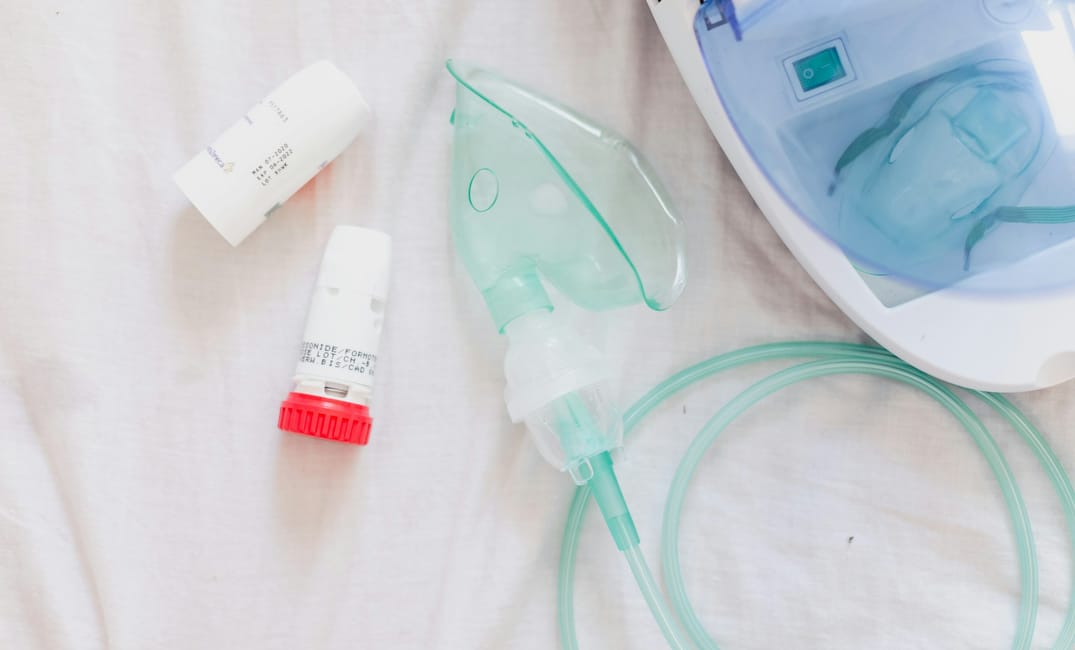
Nebulizers are absolutely legitimate tools in veterinary medicine. They convert liquid medications into a mist that can be inhaled through a mask, delivering drugs directly to the airways.
How nebulizers are actually used in dogs right now
In dogs, nebulizers are typically used to deliver:
- Sterile saline to hydrate airways and help loosen mucus
- Antibiotics or antifungals in cases of certain respiratory infections
- Bronchodilators and sometimes corticosteroids for chronic airway disease such as chronic bronchitis
- Occasionally N-acetylcysteine (NAC) as a mucolytic, although veterinary sources caution that nebulized NAC can irritate airways and cause bronchoconstriction in some animals.
This is all grounded in respiratory medicine, not whole-body “detox”.
Nebulized glutathione specifically
Nebulized glutathione is being promoted more and more in the human wellness space for asthma, COPD, smoke exposure, and “detox” of the lungs.
For dogs, however:
- There are no robust, peer-reviewed clinical trials as of late 2025 looking at nebulized glutathione in canine patients for respiratory disease or detox.
- Veterinary literature on nebulization focuses on saline, antibiotics, bronchodilators, and occasionally NAC, not glutathione itself.
So if a clinic is offering nebulized glutathione for your dog, they are extrapolating heavily from human data and general antioxidant theory, not from established canine studies.
Possible risks and limitations
Nebulized treatments in dogs always need veterinary supervision. Specific concerns with something like nebulized glutathione include:
- Bronchospasm or coughing in dogs with reactive or inflamed airways
- Unknown long term safety of repeated inhalation
- Possible drug interactions if your dog is already on inhaled steroids, bronchodilators, or other lung medications
- Stress or anxiety from mask use in older dogs with cognitive or breathing issues
Because of these factors, nebulized glutathione for “detox” should be treated as experimental at best, not as a routine wellness add-on.
Again, your veterinarian is the right person to weigh current evidence, your dog’s diagnosis, and any potential benefits or harms.
Where The Stronger Evidence Is: Diet, Oral Supplements, And Lifestyle
If your goal is to support your senior dog’s natural detox pathways, current research suggests you are likely to get more predictable benefits from foundational care plus carefully chosen oral therapies.
1. Diet and overall nutrition
Liver and glutathione metabolism depend on adequate protein, specific amino acids, trace minerals, and vitamins. Veterinary liver disease resources emphasize:
- Balanced diets that meet essential nutrient needs
- Avoiding excessive copper or other elements in dogs with certain liver conditions
- Ensuring enough dietary precursors, like cysteine, for glutathione production
Your veterinarian may recommend:
- A prescription liver diet
- A well formulated senior diet
- Or a home-cooked plan created with a board-certified veterinary nutritionist
2. Evidence-informed oral supplements
Supplements with somewhat better canine data than IV or nebulized glutathione include:
- SAMe
- Shown to increase liver glutathione and improve redox status in dogs and cats with liver disease.
- S-acetyl-glutathione with silybin and other antioxidants
- Dogs with liver disease and even healthy dogs showed increased erythrocyte glutathione and some improvement in liver parameters in short term trials.
- Ribose-cysteine (RibCys)
- Orally increased erythrocyte glutathione and was well tolerated in healthy dogs in a blinded, controlled study.
- N-acetylcysteine (NAC)
- Widely used in veterinary medicine for acetaminophen poisoning and explored more generally as an antioxidant and mucolytic. It indirectly supports glutathione production.
These are not magic solutions, and their benefits are condition specific, but they are at least anchored in actual dog data.
Important: Even with these more studied options, dosages and combinations should be set by your veterinarian, especially in seniors that may have multiple organ issues.
3. Reducing the “toxin load” in real-world ways
Instead of picturing toxins as a mysterious sludge that can be washed away with one IV, it is more accurate to think in practical categories:
- Environmental exposures
- Secondhand smoke
- Heavy use of yard chemicals and pesticides
- Poor indoor air quality
- Metabolic load
- Excess body weight
- Poorly controlled endocrine disease (diabetes, Cushing’s disease, hypothyroidism)
- Inflammatory load
- Untreated dental disease
- Ongoing skin or ear infections
- Chronic pain and arthritis with inadequate management
Addressing these with your veterinarian usually offers far more benefit than any single infusion.
Senior Dog Detox: A Sensible Check-List To Review With Your Vet
Before considering glutathione IVs or nebulizers, you might go through something like this with your veterinarian:
- Comprehensive medical workup
- Full physical exam
- Bloodwork, including liver and kidney values
- Urinalysis
- Imaging if indicated
- Medication review
- Are any current drugs stressing the liver or kidneys unnecessarily
- Are supplements overlapping or potentially interacting
- Diet and weight
- Is your dog at a lean, healthy weight
- Is the current diet appropriate for age and medical conditions
- Realistic antioxidant plan
- Would an evidence-based oral supplement such as SAMe, NAC, or a liver support formula make sense
- What dose, what brand, and for how long
- Specific question about IV or nebulized glutathione
Ask your vet directly:- Is there any peer-reviewed research on glutathione IVs or nebulizers in dogs with my dog’s condition
- What are the known risks and unknowns
- How would we monitor for benefit or harm
- Is this part of standard care, or more of an experimental or integrative add-on
Your veterinarian may also consult with a veterinary internist or a veterinary toxicologist if your dog has complex liver or toxin-related issues.
So, Are Glutathione IVs Or Nebulizers The Next Big Thing For Senior Dog Detox?
Right now, for dogs, the honest answer is:
- Glutathione itself is very important, and supporting glutathione pathways in targeted ways may be beneficial, especially in certain liver and oxidative stress related diseases.
- Oral supplements and precursors have at least some canine research behind them. They are not cure-alls, but they are increasingly integrated into evidence-informed treatment plans.
- IV and nebulized glutathione for routine “detox” of senior dogs currently sit in a gray zone:
- Promoted heavily in wellness marketing
- Supported mostly by theory and extrapolation from human or in vitro data
- Lacking robust clinical trials in dogs, especially for long term outcomes
Given that, it is more accurate to view glutathione IVs and nebulizers as experimental or niche integrative tools, not as the next mainstream standard for keeping older dogs healthy.
If a veterinarian who knows your dog well recommends a glutathione-based protocol for a specific medical reason, that is very different from a one-size-fits-all drip being sold as a generic “detox”.
Whatever you decide, please use this article as a starting point for a detailed conversation with your dog’s veterinarian, not as a substitute for individualized veterinary advice.
Sources And Further Reading
Veterinary and scientific references:
- Center SA, et al. “Liver glutathione concentrations in dogs and cats with naturally occurring liver disease.” American Journal of Veterinary Research. (AVMA Journals)
- Mosher R, et al. “Safety and efficacy of a ribose-cysteine supplement to increase erythrocyte glutathione concentration in dogs.” American Journal of Veterinary Research. (AVMA Journals)
- Musco N, et al. “Antioxidant effect of a dietary supplement containing fermentative S-acetyl-glutathione and silybin in dogs with liver disease.” Veterinary Sciences. (MDPI)
- VCA Animal Hospitals. “N-acetylcysteine.” (Vca)
- Veterinary Practice. “The role of antioxidants in liver disease.” (Veterinary Practice)
- Wakshlag JJ, et al. “Ascorbate, cysteine, and glutathione depletion in clinically ill dogs and cats.” (Wiley Online Library)
Nebulization and respiratory therapy in dogs:
- MSD Veterinary Manual. “Inhalation Treatment of Airway Disease in Animals.” (MSD Veterinary Manual)
- VCA Animal Hospitals. “Techniques for Nebulization and Coupage in Dogs.” (Vca)
- VeterinaryPartner (VIN). “Nebulizer Use for Dogs and Cats.” (Veterinary Partner)
- dvm360. “Inhalant therapy: Finding its place in small-animal practice.” (DVM360)
- MSD Veterinary Manual. “Expectorants and Mucolytic Drugs in Animals.” (MSD Veterinary Manual)
Glutathione background and pet-owner oriented resources:
- Animal Wellness Magazine. “Glutathione, the king of antioxidants.” (Animal Wellness Magazine)
- Earth Buddy Pet. “Glutathione for Dogs.” (Earth Buddy Pet)
- Dogs Naturally Magazine. “Glutathione in Dogs.” (Dogs Naturally)
- Dial A Vet. “Is it safe to give glutathione supplements to my dog” and “How safe is glutathione for dogs and what is the correct dosage.” (Dial A Vet)
Human-focused but relevant context on nebulized glutathione:
- Theranaturals. “How to Nebulize Glutathione for Optimal Respiratory Health.” (theranaturals.com)
- Active Med Health. “The Benefits of Nebulized Glutathione for Respiratory Health.” (ActiveMed Integrative Health Center)
- Everwell ND. “Nebulized Glutathione.” (everwellnd.com)
- Recovery Center. “Glutathione Inhalation Therapy.” (Recovery Center)
If you would like, I can help you turn this information into a printable checklist of questions to bring to your veterinarian for your particular senior dog.