Table of Contents
Keeping an older dog’s heart as strong as possible is a mix of smart diagnostics, appropriate prescription medications, and carefully chosen supplements. A “heart-protective stack” sounds fancy, but at its core it simply means using several evidence-informed tools together to support cardiac function, circulation, and overall quality of life.
Before we dive in: nothing in this article replaces individualized veterinary care. Heart disease in dogs can progress quietly, and supplement choices that are perfect for one dog can be risky for another. Always, always check with your dog’s veterinarian (and ideally a veterinary cardiologist) before starting or changing any supplement plan.
How Senior Dog Hearts Change With Age
As dogs get older, several patterns start showing up more often:
- Degenerative mitral valve disease (DMVD) is the most common acquired heart disease in small and medium breeds. The mitral valve becomes thickened and leaky, which gradually increases the workload on the left side of the heart.
- Dilated cardiomyopathy (DCM) is more common in certain medium and large breeds. The heart muscle becomes weak and enlarged, pumping less effectively. Causes can include genetics, toxins, and in some cases nutritional problems, such as taurine deficiency in susceptible dogs.
- Systemic aging changes such as increased oxidative stress, inflammation, and reduced mitochondrial efficiency make it harder for the heart to keep up under strain. CoQ10 and other mitochondrial-support nutrients are often discussed in this context.
These conditions are usually managed first with diagnostics and prescription medications, such as pimobendan, ACE inhibitors, diuretics, and sometimes anti-arrhythmic drugs. Pimobendan, for example, is FDA approved to manage heart failure due to DCM or myxomatous mitral valve disease and works by improving heart contractility while dilating blood vessels.
Supplements are not a replacement for these drugs. They are best viewed as adjuncts that may help support energy metabolism, antioxidant defenses, blood flow, and nutrient balance.
What A “Heart-Protective Stack” Really Means
A heart stack for a senior dog usually blends several categories:
- Foundational nutrients
- High quality, complete diet
- Appropriate omega-3 fatty acids from fish oil
- Adequate amino acids, including taurine where indicated
- Targeted nutraceuticals and herbs
- Coenzyme Q10 (CoQ10) for mitochondrial and antioxidant support
- Taurine where deficiency or risk is suspected
- Hawthorn as a gentle herbal cardiotonic
- Cutting-edge clinical therapies
- Evidence-based prescription drugs such as pimobendan
- Cardiologist-guided use of specific stacks, sometimes including L-carnitine, magnesium, and B vitamins in addition to CoQ10 and taurine
The goal is not to throw every possible supplement at your dog. The goal is to build a targeted stack that matches your dog’s diagnosis, lab results, and stage of disease. That tailoring can only be done safely with your veterinarian.
CoQ10: Mitochondrial Support For Tired Hearts
Coenzyme Q10 is a fat-soluble compound found in mitochondria, where it plays a key role in energy production and also acts as an antioxidant. In people, CoQ10 has been studied extensively in heart failure and other cardiovascular conditions.
In dogs:
- A randomized controlled trial in dogs with myxomatous mitral valve disease and congestive heart failure used water-soluble ubiquinone and found that daily doses around 100 to 200 mg significantly increased plasma CoQ10 levels compared with placebo. The study was focused on pharmacokinetics and blood levels rather than long-term clinical outcomes such as survival time.
- Other work in dogs with chronic valvular heart disease suggests CoQ10 can influence markers of oxidative stress, although some changes did not reach strong statistical significance and the sample sizes were modest.
What we know:
- CoQ10 is essential for energy production in heart muscle.
- Supplementation does raise blood levels in dogs, which suggests the nutrient is bioavailable and reaches systemic circulation.
- Adverse effects appear uncommon at typical doses used in veterinary practice, although long-term safety data are still limited.
What we do not fully know yet:
- The ideal dose for different breeds, weights, and heart conditions.
- Whether CoQ10 consistently improves survival time, exercise tolerance, or quality of life in dogs when added to standard cardiac medications. Large, long-term trials are still lacking.
Because of these uncertainties, it is important to treat CoQ10 as a promising adjunct, not as a stand-alone heart treatment. Your dog’s vet can help decide whether CoQ10 makes sense, what form to use (ubiquinone vs ubiquinol, oil-based vs water-soluble), and how to time it with other medications.
Taurine: Old Story In Cats, Newer Questions In Dogs
Taurine is an amino acid-like compound vital for heart function, bile acid conjugation, and retinal health. Its role in feline heart disease is well established: taurine deficiency was a major cause of DCM in cats, and restoring taurine reversed disease in many cases.
Dogs can synthesize taurine from other amino acids, but research has shown that:
- Certain breeds (for example some retrievers and spaniels) appear more prone to taurine-deficiency related DCM, especially when eating diets that alter taurine metabolism or excretion.
- High-dose taurine supplementation has led to clinical improvement and reversal of DCM in some taurine-deficient dogs. Results are not universal and depend on the underlying cause.
Key takeaways for senior dogs:
- Taurine is not a one-size-fits-all heart cure.
- It may be especially relevant if:
- Your dog’s breed is known to be at higher risk for taurine-related DCM.
- Your vet has measured low blood taurine.
- Your dog has been on certain boutique, grain-free, or exotic-ingredient diets associated in some reports with diet-related DCM.
Blood testing is essential. Supplementing taurine blindly at very high doses without knowing your dog’s status and diagnosis is not ideal. Your veterinarian can order taurine levels and interpret them in the context of echocardiography, diet history, and other lab results.
Hawthorn: Gentle Herbal Cardiovascular Support
Hawthorn (Crataegus species) is a small tree in the rose family whose flowers, leaves, and berries have been used in traditional medicine for heart and circulation support.
In veterinary references, hawthorn is described as a natural cardiotonic, meaning it may help:
- Strengthen heart contractions in a mild, non-stimulating way
- Improve coronary circulation and blood flow to the heart
- Support regulation of blood pressure and rhythm in some cases
Clinical evidence in dogs is more limited than for prescription drugs:
- Most data come from small veterinary reports, extrapolations from human herbal research, and long-standing traditional use rather than large randomized veterinary trials.
- Reviews of natural therapies for canine heart disease list hawthorn among herbs that deserve more study, often alongside CoQ10, taurine, carnitine, and omega-3 fatty acids.
Important safety notes:
- Hawthorn can interact with heart medications, potentially altering blood pressure or amplifying the effect of inotropes or vasodilators.
- Because of this, you should never add hawthorn to a dog already on cardiac drugs without veterinary supervision.
- Dose ranges and preferred preparations (tincture vs capsule vs standardized extract) are best chosen by a vet familiar with herbal medicine.
When used carefully and monitored properly, hawthorn may be a useful part of a gentle, long-term support plan for some senior dogs with stable cardiac disease.
Other Evidence-Informed Cardiac Supplements
A complete heart-protective stack for a senior dog might include more than just CoQ10, taurine, and hawthorn. Under veterinary guidance, you may see:
Omega-3 Fish Oil
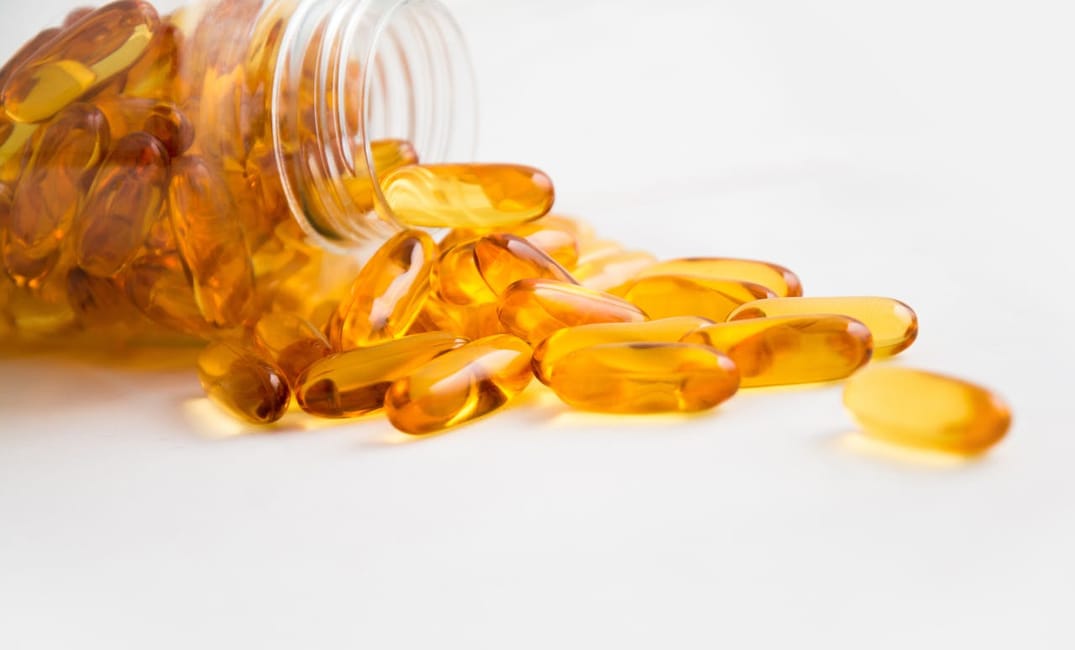
Omega-3 fatty acids from fish oil (EPA and DHA) can:
- Help modulate inflammation
- Support endothelial health and circulation
- Potentially help with appetite and body condition in some heart failure patients
Several veterinary reviews recommend omega-3s as part of supportive care in canine heart disease, often alongside CoQ10, taurine, and vitamin E.
Dosing must be individualized, since high doses can affect platelet function and interact with other medications.
L-Carnitine
Carnitine plays a role in fatty acid transport into mitochondria. There are case reports of carnitine-responsive cardiomyopathy in certain breed lines, and it is commonly mentioned in integrative protocols. Evidence is still fairly limited, but it is considered for some large-breed dogs with suspected carnitine issues.
Magnesium and B Vitamins
Magnesium is involved in nerve conduction, muscle contraction, and rhythm stability. B vitamins support energy metabolism and homocysteine regulation. Some veterinary integrative protocols use these nutrients in modest doses, especially when diets or medications may deplete them, but robust clinical trials in dogs are sparse.
“Cutting-Edge” Cardiac Care: Where Supplements Fit With Modern Drugs
It is easy to get excited about natural stacks and forget how powerful modern veterinary cardiology has become. For many senior dogs, the biggest life-extending interventions are:
- Early detection via echocardiography and biomarkers
- Timely introduction of pimobendan, ACE inhibitors, and diuretics when indicated
- Careful management of blood pressure, kidney function, and arrhythmias
Pimobendan especially has changed the prognosis for many dogs with DCM and DMVD. It improves contractility and vasodilation and is considered standard of care in dogs with clinical heart failure from these conditions.
Where does the supplement stack fit?
- As a complement that may support cellular energy (CoQ10, carnitine),
- Support nutritional adequacy and specific deficiencies (taurine, omega-3),
- Provide gentle circulatory and tonic support (hawthorn and similar herbs),
- Help maintain overall resilience, appetite, and comfort.
The most responsible and “cutting-edge” approach is usually a hybrid: evidence-based prescription drugs plus a carefully designed supplement stack instead of an either-or choice.
Building A Senior Dog Heart-Protective Stack With Your Vet
If you want to explore a heart stack for your older dog, here is a practical, vet-centered way to approach it.
1. Get A Clear Diagnosis First
Before adding supplements, work with your veterinarian to get:
- A detailed physical exam and auscultation
- Baseline blood work and, when indicated, taurine levels
- Imaging, often echocardiography, to characterize valve disease or cardiomyopathy
- Discussion of your dog’s diet history and other medications
Without this information, it is very hard to choose the right supplements or evaluate whether they help.
2. Prioritize Proven Medications And Diet
If your dog needs pimobendan or other drugs, those come first. Adjusting diet to meet current guidelines for heart patients, including sodium management and complete nutrient balance, is also foundational. Supplements work best on top of a solid base.
3. Consider CoQ10 As A Core Adjunct
Talk to your vet about:
- Whether CoQ10 fits your dog’s diagnosis and current medications
- Which form might be most appropriate
- A starting dose tailored to your dog’s weight and lab values
Do not exceed suggested doses or combine multiple CoQ10 products without veterinary input, especially if your dog has concurrent kidney or liver disease.
4. Decide Whether Taurine Testing And Supplementation Make Sense
Rather than guessing, ask your veterinarian about:
- Taurine blood levels
- Breed-specific risk
- Your dog’s diet and any need to change it
If supplementation is recommended, your vet will choose a dose and monitor heart function over time, sometimes with follow-up echocardiograms.
5. Discuss Hawthorn And Other Herbs Carefully
If you are interested in hawthorn:
- Let the vet know exactly which product you are considering.
- Ask about possible interactions with your dog’s prescription drugs.
- Agree on a monitoring plan for blood pressure, heart rate, and clinical signs.
Because hawthorn is pharmacologically active, it should be treated with the same respect as a mild cardiac drug, not as a harmless tea.
6. Monitor, Adjust, And Keep Records
With any heart stack, consistent tracking is essential:
- Note appetite, energy, respiratory rate at rest, cough, exercise tolerance, and sleep patterns.
- Keep a list of all medications and supplements, including doses and brands.
- Report any changes quickly, especially increased coughing, labored breathing, fainting episodes, or sudden drop in energy.
Your veterinarian may adjust medications and supplements over time as the disease progresses or stabilizes.
Where The Evidence Is Still Limited
It is worth being very transparent here. For senior dogs with heart disease:
- There is strong clinical evidence for the use of specific prescription medications such as pimobendan for certain forms of DCM and mitral valve disease.
- There is growing but still incomplete evidence that CoQ10, taurine, omega-3 fatty acids, and carnitine can support heart health. The strongest taurine data are in deficiency-related DCM, while benefits in non-deficient dogs are less clear.
- For hawthorn, magnesium, and some herbal combinations, evidence in dogs is preliminary, often based on small studies, traditional use, or extrapolation from human research. High-quality, large clinical trials in canine patients are still needed.
Because of these gaps, a cautious, vet-guided approach is critical. Supplements should not be seen as guaranteed life extenders but as potentially helpful tools within a broader treatment plan.
If you are reading about heart-protective stacks, it probably means your senior dog is deeply loved and you want to give them every possible advantage. That instinct is beautiful, but it is most powerful when paired with science and collaboration.
To summarize:
- Work closely with your veterinarian and, if possible, a board-certified cardiologist before starting any cardiac supplement.
- View CoQ10, taurine, hawthorn, and related nutrients as adjuncts, not replacements for proven medications.
- Remember that evidence is strongest for some tools and more limited for others, so expectations should be realistic.
- Keep the focus on your dog’s comfort, breathing, appetite, and joy in daily life, not just on lab numbers or stacks.
If you are considering a specific combination for your dog, bring this article to your vet, go through each component together, and build a customized plan that keeps your dog’s safety at the center.
Sources And Further Reading
- American Journal of Veterinary Research – randomized trial on CoQ10 supplementation in dogs with myxomatous mitral valve disease and congestive heart failure (AVMA Journals)
- VCA Animal Hospitals: Coenzyme Q-10 and Hawthorn supplement monographs (Vca)
- Thorne Vet review on heart disease in dogs and nutraceuticals (CoQ10, taurine, carnitine, omega-3s, hawthorn, vitamins, minerals) (A Natural Healing Center)
- Merck Veterinary Manual – Dilated cardiomyopathy in dogs and cats (Merck Veterinary Manual)
- Veterinary Partner / VIN – Diets and heart disease in dogs and cats (taurine, diet-associated DCM) (Veterinary Partner)
- Morris Animal Foundation – Understanding dietary taurine and heart disease in dogs (Morris Animal Foundation)
- Whole Dog Journal – Taurine’s role in canine DCM and diet-related concerns (Whole Dog Journal)
- Royal Canin Academy – Diet and canine dilated cardiomyopathy (clinical approach and use of taurine, pimobendan, ACE inhibitors) (Royal Canin Academy)
- Today’s Veterinary Practice – Pimobendan and heart disease in dogs (Today's Veterinary Practice)
- GoodRx Pets – Overview of pimobendan for dogs, indications and safety (GoodRx)
- VETMEDIN (pimobendan) manufacturer safety information, Boehringer Ingelheim (Boehringer Ingelheim)